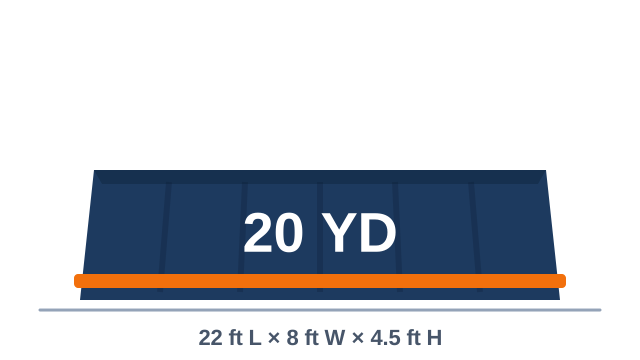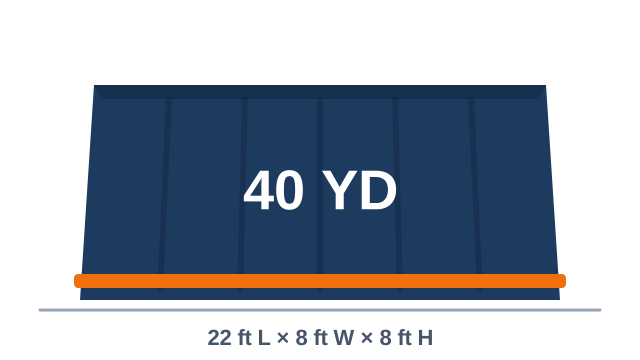
The 30 yard roll-off is where dumpster rental shifts from weekend project to real job. It has the same 22-foot footprint as the 20 yard, but 6-foot walls add ten cubic yards of capacity, about twelve pickup-truck loads. This is the container we send to construction sites, home additions, and the whole-house cleanouts that always turn out bigger than the phone call suggested.
30 yard dumpster dimensions
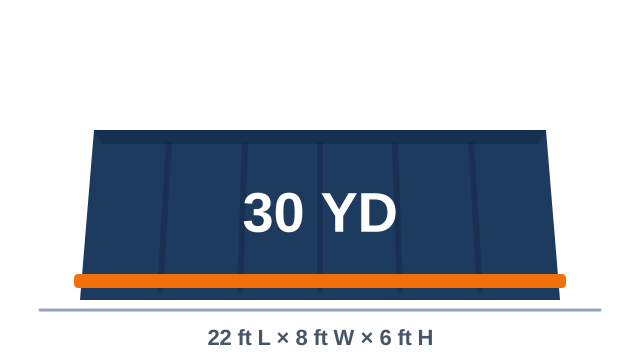
A 30 yard dumpster is 22 feet long, 8 feet wide, and 6 feet tall, and holds 30 cubic yards of debris, about twelve pickup-truck loads.
| 30 yard dumpster dimensions | |
|---|---|
| Length | 22 ft |
| Width | 8 ft |
| Height | 6 ft |
| Volume | 30 cubic yards |
| Capacity | About 12 pickup-truck loads |
| Weight included | 3 tons (6,000 lbs) |
| Space needed to deliver | 22 ft of length, about 60 ft of straight approach, 22+ ft overhead |
Built for volume, not weight
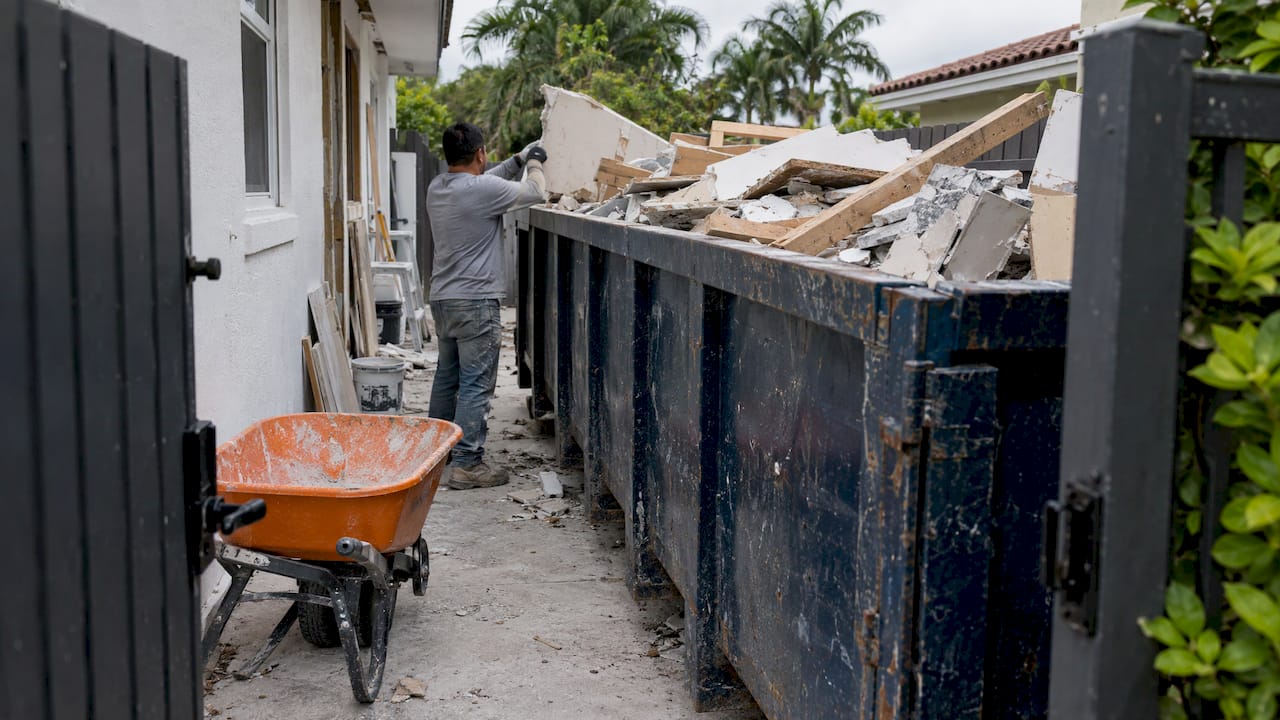
The 30 yard exists for bulky, lightweight debris in serious quantity: framing lumber cutoffs, drywall by the pallet, cabinetry, old furniture, packaging from a new build’s worth of fixtures and appliances. The included 3-ton allowance sounds like a lot, and for this kind of debris it is. A 30 yard genuinely full of renovation and construction waste typically weighs two to three tons.
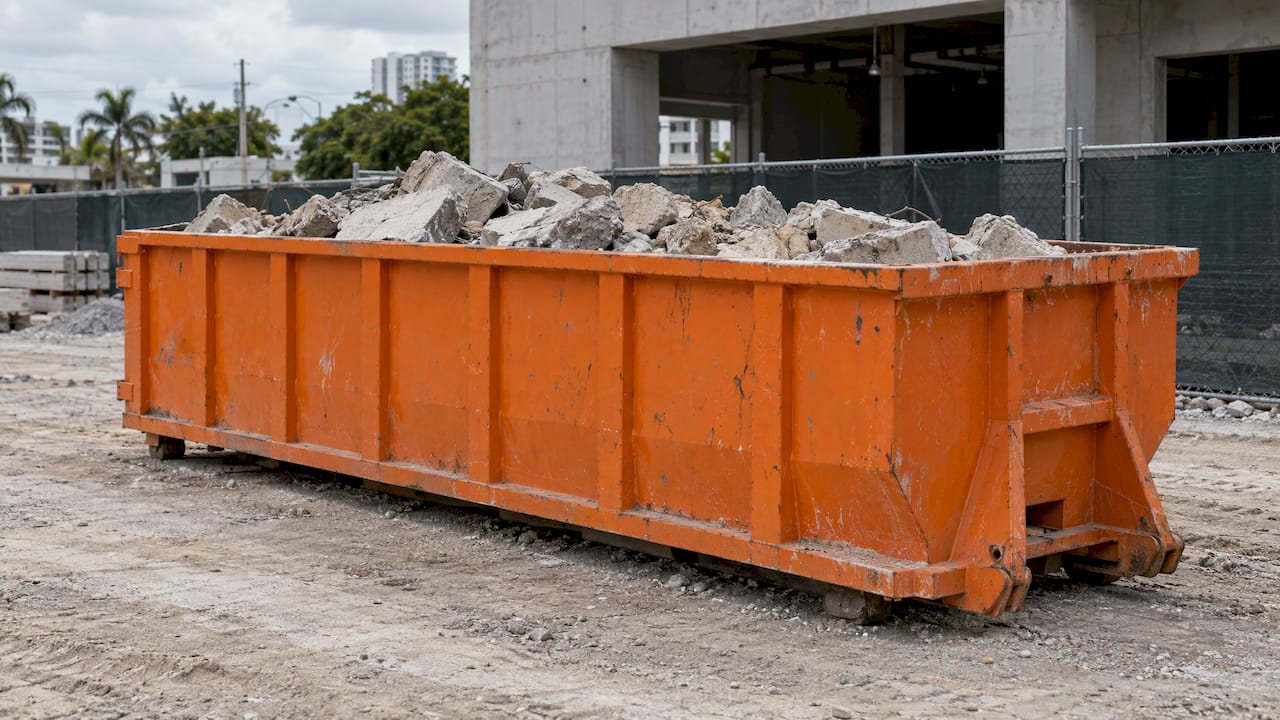
What it can’t take is dense material. Concrete, tile, dirt, and roofing tile in a 30 yard hit road-weight limits at around a third full, and at that point the truck can’t legally haul it. For heavy debris, run a dedicated 10 yard container alongside. We set up this pairing on Miami demo jobs every week.
Where we deliver 30 yard dumpsters in Miami
This is our most common commercial and contractor size, and it shows up all over the county:
- Home additions and full-gut renovations, like the 1950s-ranch-to-modern transformation happening on every other block in South Miami and Miami Shores.
- New residential construction. A 30 yard with scheduled swap-outs keeps a build site clean without eating a second parking spot the way a 40 yard can.
- Estate cleanouts. When a family clears a home that’s been lived in for forty years, the volume is always staggering. One 30 yard usually does what people assume will take three small containers.
- Commercial build-outs: retail and restaurant tenant improvements in Wynwood, Little Havana, and along Biscayne Boulevard, where demo debris needs to leave the site fast.
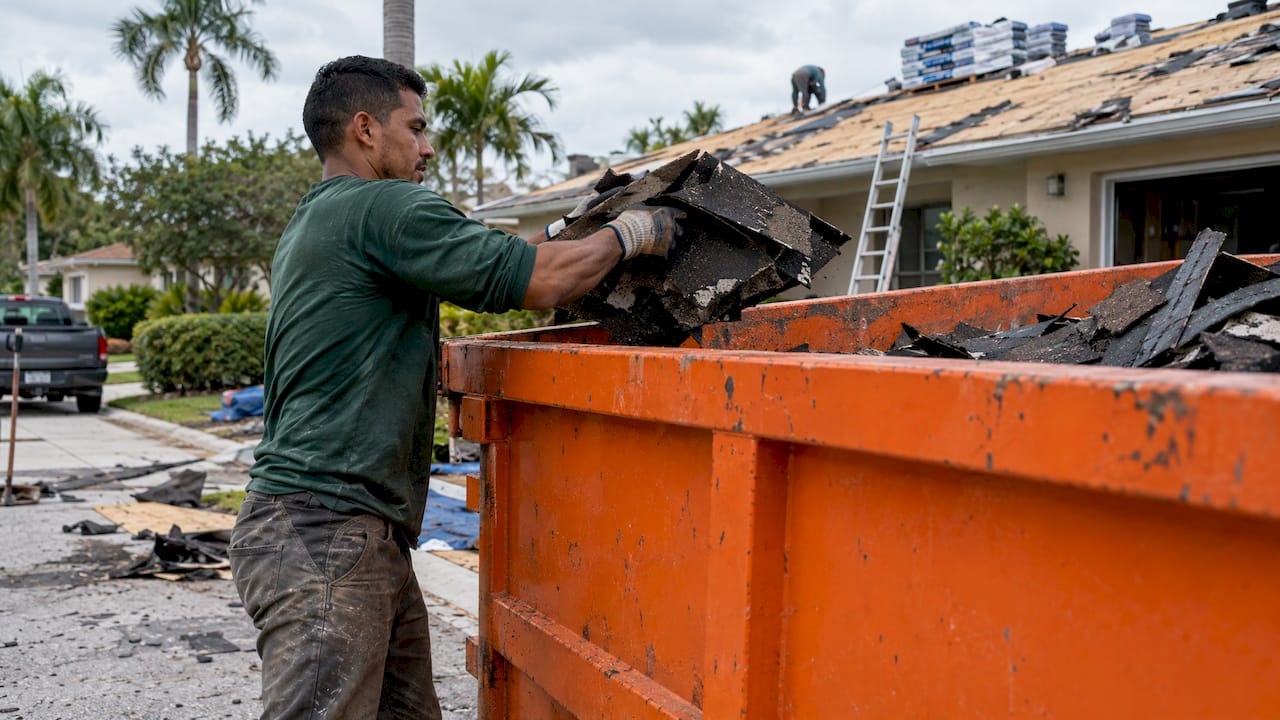
- Large roofing jobs, meaning shingle tear-offs up to roughly 45 squares.
Contractor accounts and swap-outs
If you’re a GC, roofer, or demo contractor working in Miami-Dade, we run 30 yard containers on account: consolidated invoicing across job sites, scheduled swap-outs (full container off, empty container on, same trip), and a dispatcher who answers the phone. Weight tickets from the scale come with every haul, so your job costing runs on real numbers instead of estimates. See our construction dumpster service for the full rundown on C&D debris handling.
Site requirements
The 30 yard needs the same ground footprint as a 20, about 22 feet plus roughly 60 feet of straight-line approach for the truck. The extra wall height means the truck’s lift needs more overhead room, though: 22+ feet clear of power lines, canopy, and awnings at the drop point. On tight urban sites in Brickell, downtown, or Miami Beach, placement sometimes needs a right-of-way permit if the container sits on the street. Our Miami-Dade permit guide covers when that applies, and we handle the paperwork when it does.
Sizing sanity check
Renting a 30 when a 20 would do wastes $100. Renting a 20 when the job needed a 30 wastes a whole second haul. The honest heuristic: if the debris comes from more than three rooms, or from any structural work, take the 30. If you’re between this and the 40 yard, the question is simply whether your site can swallow a taller container and whether the debris is light enough to fill it legally. Call us at the number above and we’ll size it in two minutes.