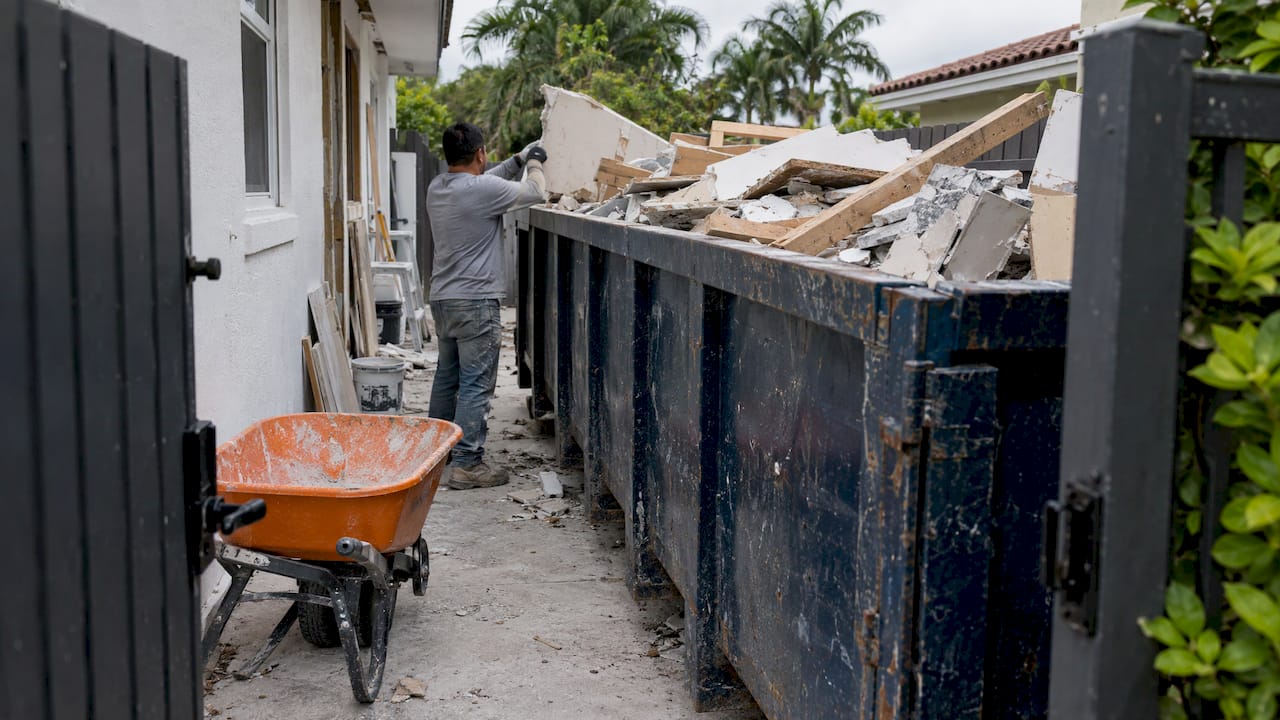
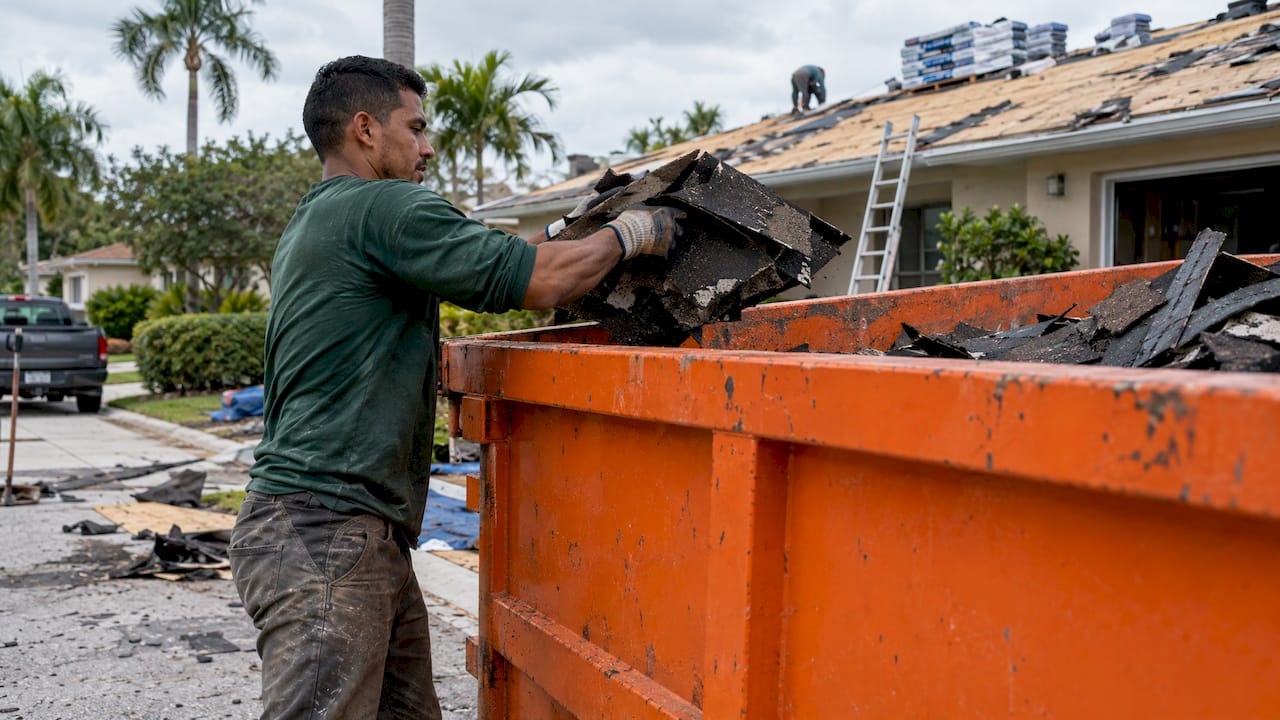
South Miami calls itself “The City of Pleasant Living,” and its real estate market has spent the last decade proving the slogan out. The 1940s to ’60s homes on the tree-lined streets between US-1 and Red Road are being renovated, expanded, and occasionally replaced at a pace that keeps our containers cycling through the city constantly. Helpfully for everyone, the county’s West Transfer Station sits just up SW 72nd Avenue, so South Miami is one of the shortest haul loops we run.
Renovation debris, South Miami edition
The residential work clusters in the neighborhoods people actually name: Cocoplum Terrace, the Twin Lakes and Manor Lane areas, and the walkable blocks around the South Miami Metrorail station, which have become some of the most sought-after streets south of the Gables. The houses all hit renovation age at once. Original kitchens, cast-iron drains, terrazzo under decades of carpet, and Dade County pine framing that carpenters treat with respect and demolition crews treat with pry bars.
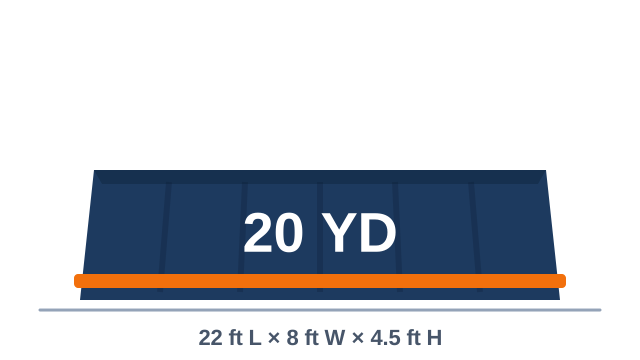
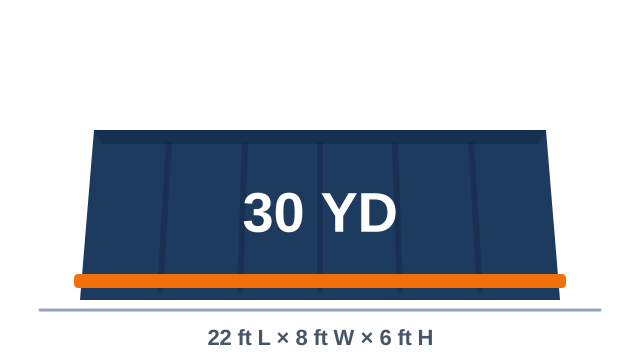
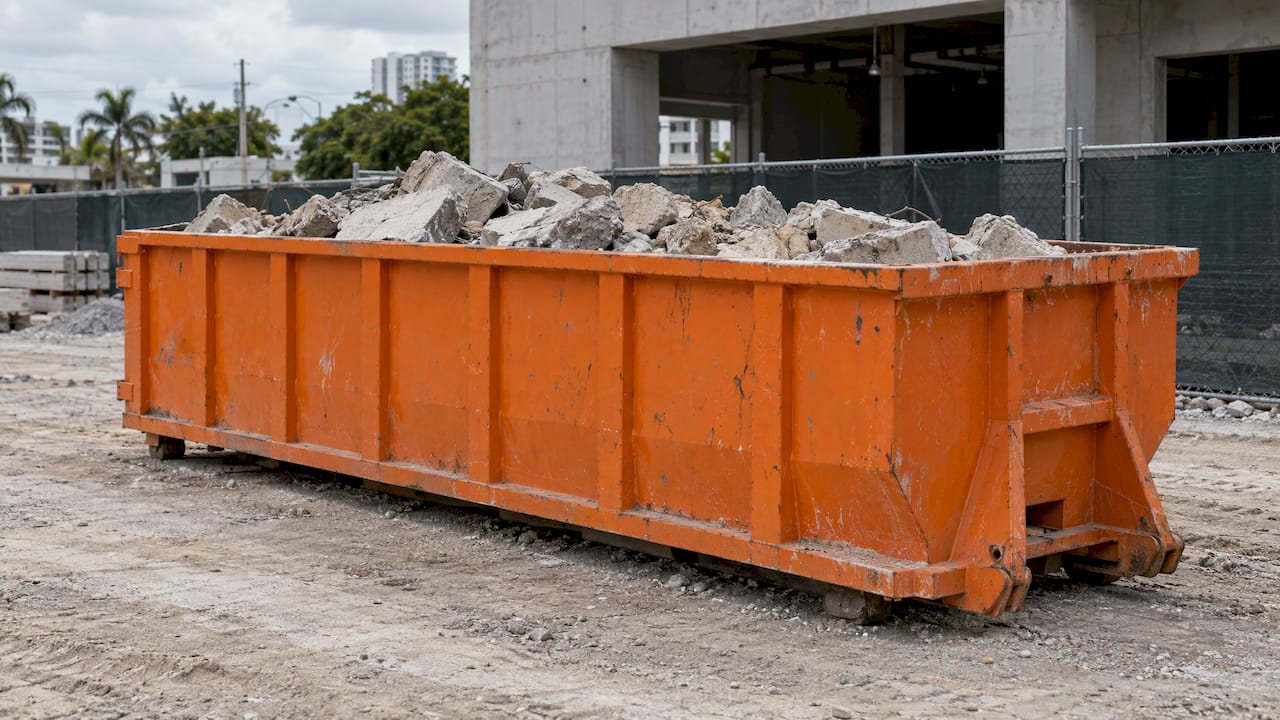
For sizing, the pattern is the county standard: a 20 yard container for the bulky remodel stream, with a 10 yard heavy-debris box alongside when tile, terrazzo, or masonry comes out. Dense material in a large container goes overweight long before it goes full. Whole-home guts and additions, which South Miami produces steadily, justify the 30 yard.
The town center and hospital district
Around the Sunset Drive town center, meaning the shops near the old Shops at Sunset Place site and the surrounding restaurant blocks, we run commercial containers for build-outs and turnovers. These placements usually touch public right-of-way, which means a permit from the City of South Miami’s Public Works Department. We scout the spot from photos, pull the permit, and schedule early-morning drops so the container is set before the lunch crowd arrives. The hospital district around South Miami Hospital adds medical-office renovation work with its own scheduling discipline: after-hours drops, COIs for property managers, dock coordination. Our commercial service page covers how those accounts run.
Placement rules and the canopy
Driveway placement needs no permit anywhere in the county, and that’s where most South Miami residential containers sit. Always on boards, because brick pavers and stamped concrete make up half the driveways in the city. Street or swale placement requires the city permit noted above; the permit guide has the full breakdown. The practical constraint to respect is tree canopy. South Miami’s oaks are magnificent and fiercely protected, and a roll-off truck needs over 20 feet of clear height at the drop point. Send a photo of the approach with your booking and we’ll confirm placement in minutes.
Nearby coverage
The same routes cover West Miami just north, Miami Springs past the airport, and the rest of the county on the service areas page. Flat rates from the pricing table apply everywhere. The transfer station being ten minutes away makes our routing cheaper, but it was never going to show up on your bill either way.